
Fall Hiking in WNC: Movement Tips & Favorite Trails
By AntiFragile Physical Therapy (Asheville, NC)
There’s something special about fall in Western North Carolina. Between the changing leaves, cooler temperatures, and mountain views, it’s the perfect time to get outside, move your body, and enjoy everything our area has to offer.
Hiking is a great way to build strength, improve endurance, and spend time in nature. Whether you’re planning a challenging mountain climb or a relaxed walk around a lake, there are plenty of ways to make the most of the season while taking care of your body.
Our AntiFragile PT team is sharing our favorite fall hiking spots, tips for preparing your body for the trails, and a few reminders to slow down and enjoy the experience along the way.

Prepare Your Body for the Trail
Hiking might feel like a natural activity, but uneven terrain, steep climbs, and long descents can challenge your body in different ways. A little preparation can go a long way toward helping you enjoy your hike and feel good afterward.
Warm Up Before You Go
Wes's tip: If you've spent more time cycling or working out in the gym during the summer and less time hiking or running, give your body a chance to prepare for the trail.
Before heading out, try a few dynamic movements to get your muscles and joints ready for activity. Depending on your fitness level, you might include:
Leg swings: Gently swing each leg forward and backward to prepare your hips for movement.
Walking lunges: Take a few controlled steps into a lunge to warm up your hips, knees, and legs.
Bodyweight squats: Practice controlled squats to prepare your legs for climbing and descending.
Calf raises: Rise onto your toes and slowly lower back down to warm up your calves and ankles.
Light hopping: If you're accustomed to impact exercise and it's appropriate for your fitness level, gentle pogo hops can help prepare your body for more demanding activity.
You don't need an intense workout before your hike. Start with a few minutes of comfortable movement and gradually increase your pace once you're on the trail.
Build Strength for Better Hiking
Annie's tip: Keep your hips and knees strong, and choose hikes that match your current fitness level.
Hiking involves more than just endurance. Your legs and hips help stabilize your body on uneven ground, control your movements downhill, and power you up steep inclines. Building strength between hikes can help prepare you for these demands.
Exercises like squats, step-ups, calf raises, and controlled step-downs can be useful additions to your routine. Start with a level of difficulty that feels manageable, and gradually increase the challenge as your strength improves.
If you're recovering from an injury or dealing with pain, you don't necessarily have to give up hiking. Instead, consider starting with flatter, more predictable trails. Gradually increase the length of your walks before adding more elevation or difficult terrain, as your symptoms allow.
The goal is to find the right starting point for your body and build from there.
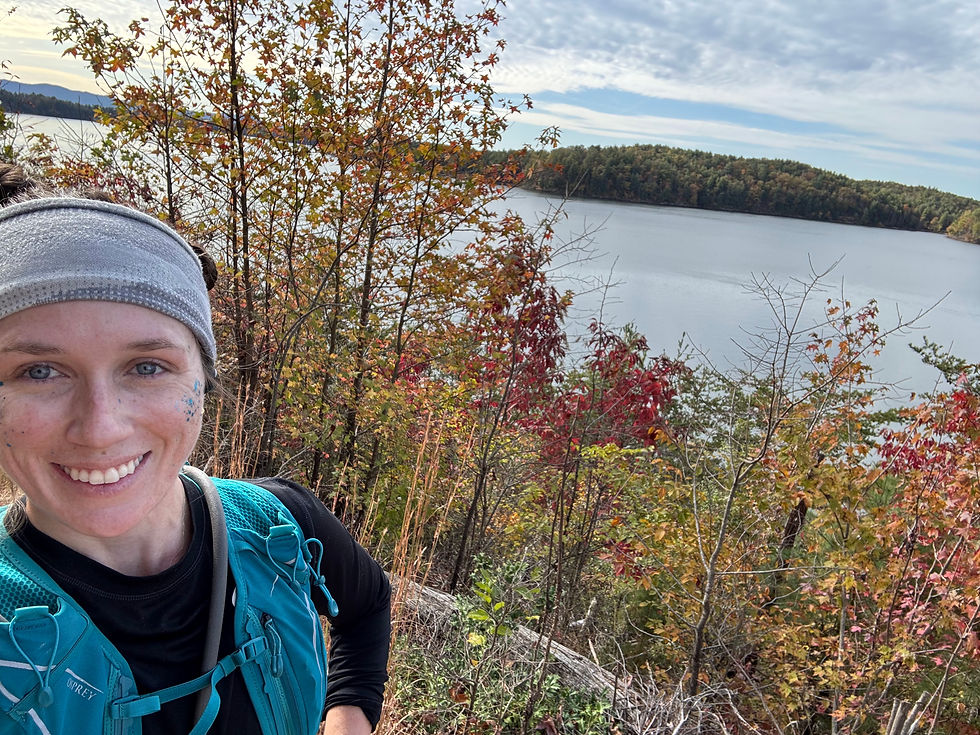
Breathe With Your Movement
Malynda's Tips: Your breathing can be a helpful tool when hiking, especially when you're working through a steep incline or trying to maintain your stamina over a longer distance.
Practice rhythmic breathing. Try breathing in for four counts and breathing out for four counts. For example, inhale for 1, 2, 3, 4, then exhale for 1, 2, 3, 4. Find a rhythm that feels comfortable for your body, and adjust the count as needed. You don't need to force deep breaths or hold your breath to make this effective.
Use your exhale on steep inclines. As you climb, try coordinating your exhale with the more effortful part of your movement. Pairing your breathing with your steps can help you find a steady rhythm and stay connected to how your body feels as the terrain gets more challenging.
If you find yourself getting winded, slow your pace, take a break, and allow your breathing to settle before continuing. Hiking is not a race, and finding a sustainable pace is part of building endurance over time.
Consider Hiking Poles
Hiking poles can be helpful when navigating uneven terrain, climbing steep hills, or descending rocky trails. They provide additional points of contact with the ground and can help you feel more stable while distributing some of the work to your upper body.
They can also be useful when returning to hiking after an injury, especially when balance or confidence on uneven surfaces is a concern.
If you're new to using poles, practice on easier terrain first so you can get comfortable with your rhythm and technique.

Plan Ahead for a Better Hike
Laura's tip: A little planning can make the difference between a relaxing day outdoors and a stressful one.
Before heading out, research your trail and make sure its distance, elevation gain, and difficulty are appropriate for everyone in your group. If you're hiking with children, consider their experience level and how comfortable they'll be with the distance.
A few other things to keep in mind:
Wear appropriate footwear. Choose shoes with good traction and support for the terrain. Flip-flops and sandals aren't a great choice for most mountain trails.
Bring plenty of water and snacks. Staying hydrated and having food available can help you maintain your energy throughout the hike.
Check trail conditions. Weather, fallen leaves, mud, and wet rocks can make familiar trails more challenging. Check current conditions before leaving.
Know your route. Apps like AllTrails can help you review trail maps, elevation changes, and route information. Download your map ahead of time in case you lose cell service.
Check whether dogs are allowed. If your four-legged hiking buddy is coming along, make sure the trail is pet-friendly and bring water for them, too.
Have a backup plan. Popular spots can fill up quickly during peak leaf season. If parking is full, having another destination in mind can save time and frustration.
If you're hoping to visit a popular spot, consider going early in the morning. A sunrise hike offers a quieter trail, beautiful light, and a completely different way to experience the mountains.

Slow Down and Be Present
Hiking isn't just about reaching a summit or checking another trail off your list. It's also an opportunity to step away from your daily routine, spend time with the people you care about, and give your mind a break.
Payton's tip: Put your phone away for a few minutes and let yourself enjoy where you are. Take a deep breath of fresh mountain air, look around at the changing leaves, and allow yourself to let go of whatever has been weighing on your mind.
You don't have to practice formal meditation to experience the benefits of being more mindful outdoors. Try a few simple ways to stay present during your next hike:
Take a few intentional breaths. Pause at a scenic overlook or a comfortable resting spot. Breathe in slowly through your nose and exhale gently, allowing yourself to settle into the moment.
Engage your senses. Notice the colors of the leaves, the sound of water moving over rocks, the smell of the forest, or the feeling of the cool air on your skin.
Move at your own pace. Instead of focusing only on reaching the destination, pay attention to how your body feels as you walk. Notice your breathing, your footing, and the rhythm of your steps.
Take a screen break. It's tempting to document every beautiful view, but consider spending part of your hike without your phone in your hand. Take a photo when you want one, then return your attention to the experience.
Make time for connection. Bring a friend, hike with your family, or take your dog along when the trail allows. Sharing the experience can make the day even more meaningful.
William's tip: Think about how you can combine the benefits of being outdoors with other things you enjoy. A walk around a lake, a waterfall hike, or a picnic with friends can turn a simple outing into something more.
You don't always need a steep climb to enjoy the outdoors, either. If hills are uncomfortable or you're looking for a more relaxed outing, choose a flatter path around a lake or along a greenway. The scenery, fresh air, and time away from your usual routine can still make the experience worthwhile.
Nature doesn't have to be another thing on your to-do list. Sometimes, the best thing you can do is slow down and enjoy it.
Our Team's Favorite Fall Hiking Spots in WNC
Laura's Favorites
Black Balsam Knob and Sam Knob: Beautiful mountain scenery and wide-open views that are especially memorable during fall.
Mount Mitchell Trail from Black Mountain Campground: A challenging option for hikers looking for a more demanding mountain adventure. Be sure to review the route, distance, and elevation before heading out.

Annie's Favorites
Moore Cove Falls: A scenic waterfall destination that makes for a memorable outing.
River Arts District Greenway: A great option for a more relaxed walk without the elevation changes of a mountain trail.

Wes's Favorite
Appalachian Trail from Sam's Gap to Big Bald: Big, bald, and beautiful. This hike offers incredible views that are especially worth experiencing during peak leaf season. Be prepared for a more demanding outing and check the distance and conditions before you go.

Payton's Favorites
Fryingpan Mountain Lookout: A great stop for expansive mountain views. Consider stopping at lookouts along the scenic drive on the Blue Ridge Parkway.
Craggy Pinnacle and Craggy Gardens: Beautiful places to explore during fall, with sweeping views and opportunities to enjoy the changing colors throughout the surrounding mountains.

Jeff's Favorites
The Blue Ridge Parkway: You don't have to commit to one specific summit to enjoy the fall colors. Jeff recommends exploring the Parkway and taking advantage of its scenic stops and overlooks.
His tip: Try visiting during the golden hour, when the warm light can make the fall colors feel even more vibrant.

Malynda's Favorites
Craggy Gardens and the surrounding Craggy area: A beautiful destination for taking in the fall foliage and mountain views.
Art Loeb Trail: A scenic trail for hikers looking to explore more of the mountains. Check the route, distance, elevation gain, and current trail conditions before heading out, as difficulty varies depending on the section you choose.

William's Favorites
Mount Craig: A rewarding mountain destination for those looking to explore the high elevations of the Black Mountains.
Hooker Falls Loop in DuPont State Recreational Forest: A beautiful way to combine movement and waterfall scenery.

Keep Moving, Keep Exploring
At AntiFragile PT, we believe movement should help you build a body that's ready for the things you love doing. That might mean preparing for a challenging mountain hike, finding a comfortable way to enjoy a local greenway, or building the strength and confidence to get back outside after an injury.
You don't have to tackle the toughest trail or hike the longest distance to make movement meaningful. Start where you are, listen to your body, and give yourself room to progress.
This fall, challenge yourself to get outside, try somewhere new, and take a few moments to appreciate the beauty around you.
Build strength. Find your rhythm. Enjoy the journey.
Because at AntiFragile PT, we're here to help you bend, not break!


Comments